
“We’ve built a great product, but no one’s noticing.”
“We post to social media, but the engagement is so low that it feels pointless.”
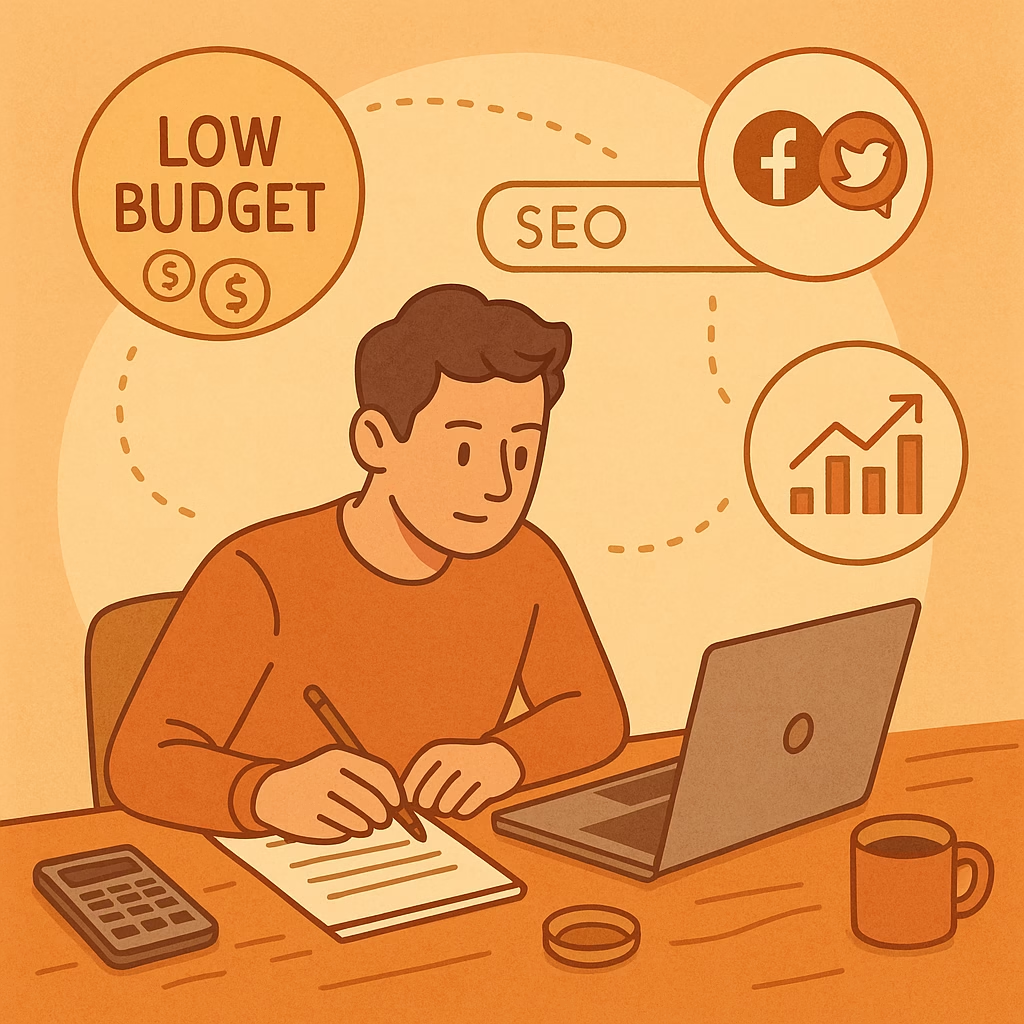
How to start digital marketing for a startup with a low budget is probably the most burning question for many entrepreneurs running startups. Founders understand how important marketing is, but have no idea where to start without ruining their budget.
Here’s the good news: you don’t have to have a huge budget to get noticed. What you need is consistency, clarity, and the right digital “signboards” that help your ideal audience discover you online.
The New Storefront: Your Digital Presence
Previously, people found stores by walking down the street and observing store signs. Today, people find startups through search engines, social media, and online maps.
Think of digital marketing as building several storefronts online — each platform, keyword, and post you publish acts as a small digital sign bringing people closer to your brand.
That is why learning how to start digital marketing on a low budget for startups is less about spending money and more about setting up these digital signboards effectively.
What Digital Marketing Really Means
Many early founders believe that digital marketing means paid advertising. While ads can help, they’re only one small part of a larger system.
True digital marketing is about building long-term visibility that attracts customers even when you’re not actively paying for exposure. It’s not about just posting once; it means creating a system that keeps working for you—organically, consistently, and strategically.
If you learn how to start digital marketing on a low budget for startups, you’ll understand how time and creativity can replace money to grow brand awareness.
Why Startups Should Begin Digital Marketing Early
1. The customer’s first stop is search, not your homepage.
Your startup should appear when someone types “best AI tool for remote teams” or “vegan skincare brand in Seoul.” If you’re not visible on search, you simply don’t exist to your potential audience.
2. You can reach your target precisely, not randomly.
Unlike flyers or generic ads, digital marketing lets you target the right audience based on their age, location, or interests. If your product targets “millennial women interested in wellness,” it will speak directly to them and not waste its money on irrelevant audiences.
3. You can make decisions based on data rather than guessing.
With digital tools, you are able to track every click, impression, and conversion. You get to skip the guessing game of what works and look at actual numbers, refining what does work. That’s a key advantage when your marketing budget is small.
How to Do Digital Marketing on Low Budget for Your Startup: Step-by-Step
Even resource-strained startups can take these basic actions to start building digital traction today. Here’s a practical roadmap:
Step 1: Claim your Google or Naver Business Profile
Your profile is your digital storefront. Add your name, address, website, photos, and description. Make sure it’s polished and professional; it helps customers find and trust you instantly.
Step 2: Pick one major marketing channel and own it
Don’t attempt to grow five platforms all at once. Startups with visual products should focus on TikTok or Instagram. If search traffic is the key, focus on your blog or LinkedIn. Remember: consistency is more powerful than volume.
Step 3: Create value-based content
Write posts that answer real customer questions. For example, if your product is an app for freelancers, share content like “how freelancers can manage their time better.” This approach boosts SEO and positions your brand as a helpful expert.
Step 4: Monitor and adjust performance
Use analytics tools such as Google Search Console or platform insights. See which posts or keywords perform best and focus your efforts there. Data-driven decisions become crucial when every dollar counts.
Learning how to start digital marketing on a low budget for a startup isn’t about shortcuts; it’s about sustainable visibility. Every post, every keyword, every profile you make is another fishing line in the ocean of attention.
Start small, stay consistent, and keep learning from your data. Your first line in the water could very well bring your biggest customer yet.
👉 Let’s build your digital presence together