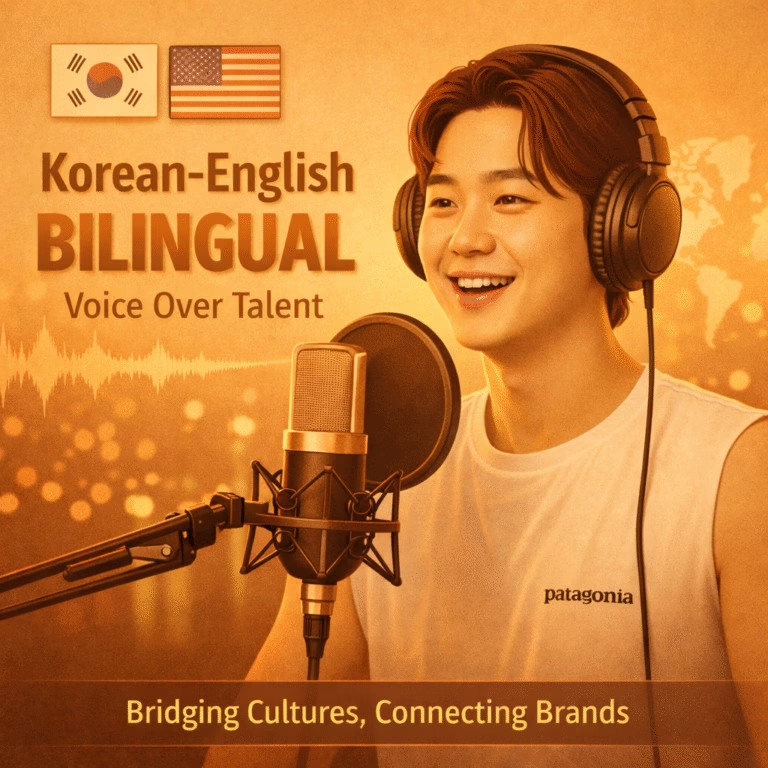
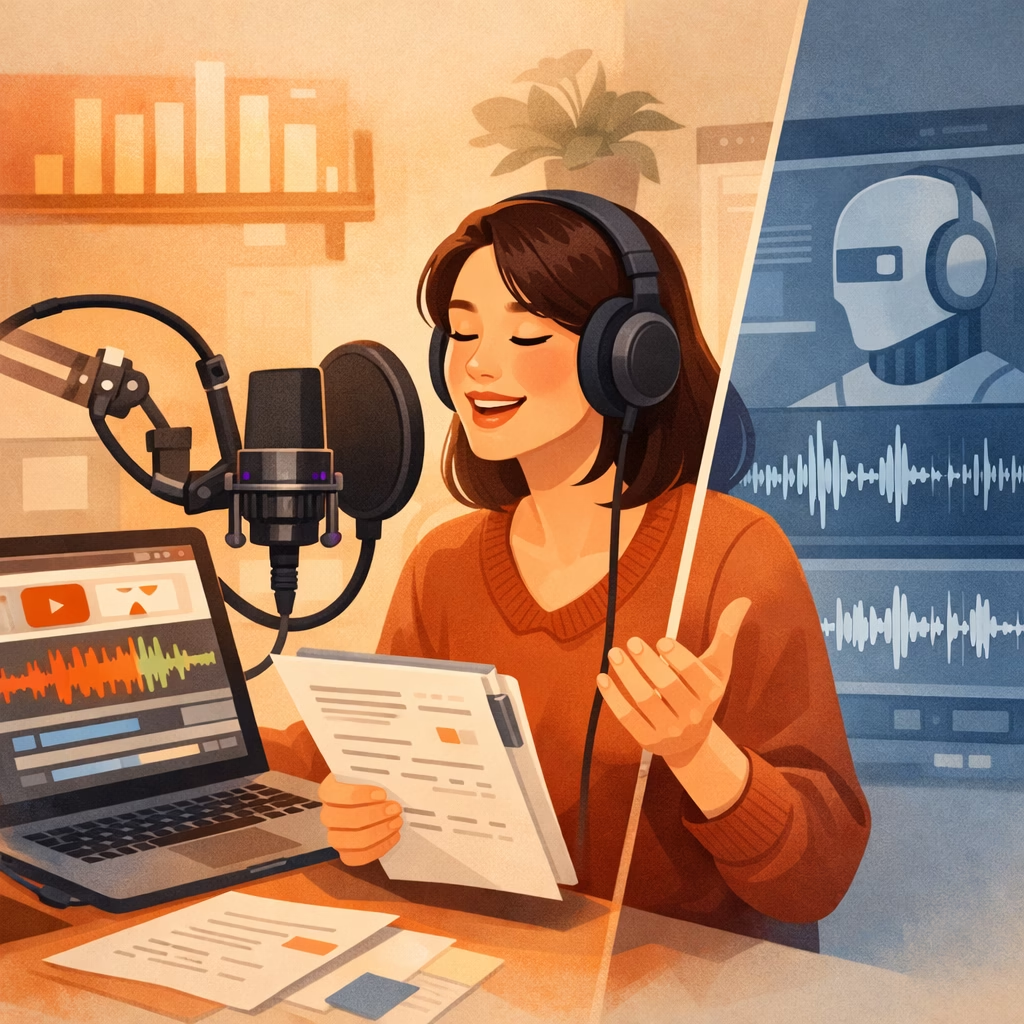
Native Korean Voice Talent for YouTube Videos: Why Human Emotion Still Matters
Adding Korean to a YouTube video is not just about changing the language. It is about making the message feel real to Korean viewers.
A script can be translated correctly and still sound unnatural when spoken out loud. The words may be accurate, but the emotion, rhythm, and tone can still feel flat. On YouTube, that difference matters because viewers do not only respond to meaning. They respond to sincerity, trust, warmth, and personality.
That is why native Korean voice talent still matters, even in the age of AI dubbing. A real Korean voice actor does more than read a translated script. They can translate the original meaning, adapt it into natural spoken Korean, and deliver it with the right emotional tone for the video.
If you need Korean voiceover for YouTube videos, the goal should not be translation alone. It should be a Korean version that truly sounds human.
A Korean translation is not the same as a Korean performance
Translating a script into Korean is only the first step. What really shapes the viewer experience is how that script is spoken.
On YouTube, delivery changes everything. The same sentence can sound warm, trustworthy, energetic, or awkward depending on pacing, emphasis, and emotional control. That is why a translated script often needs adaptation before recording. It has to sound like something a Korean speaker would naturally say, not just a direct language conversion.
This is where native Korean voice talent makes a real difference. The goal is not to read Korean words. The goal is to make Korean viewers feel that the message was meant for them from the beginning.
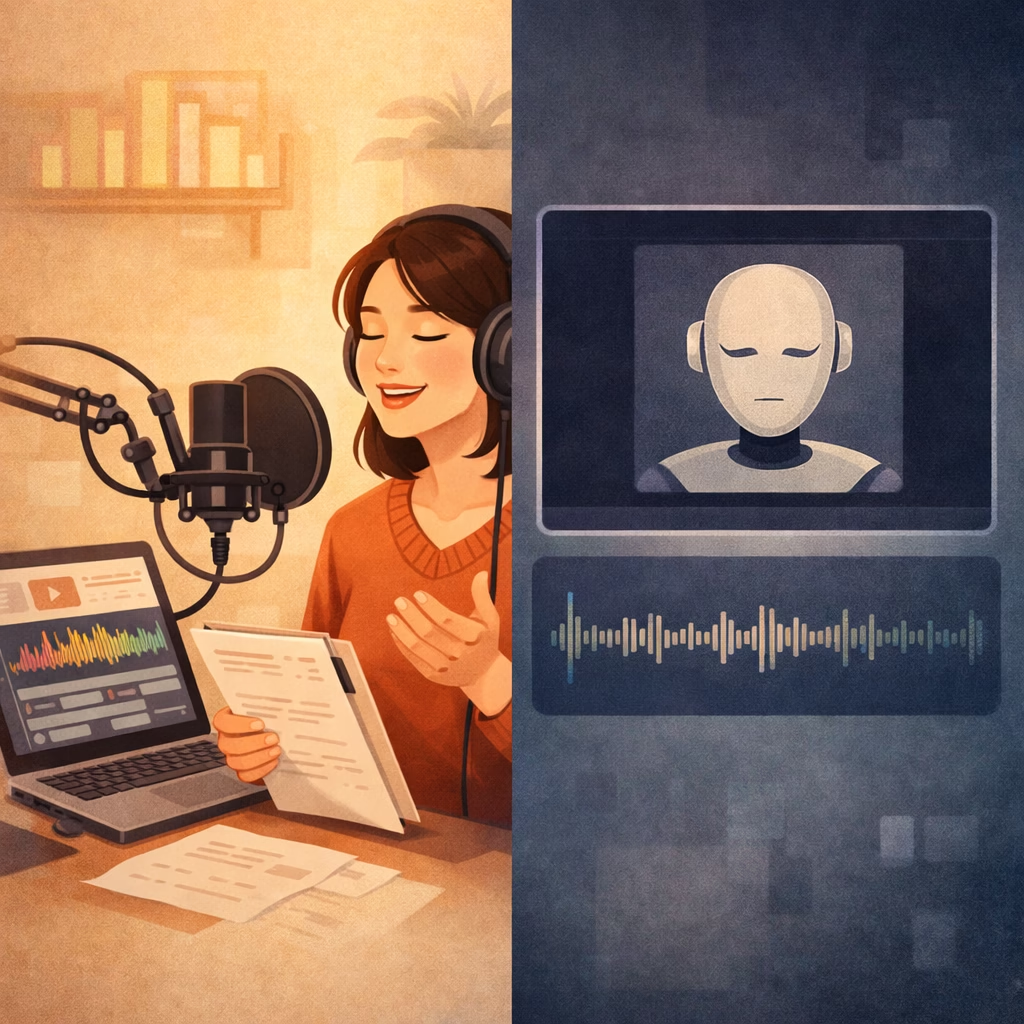
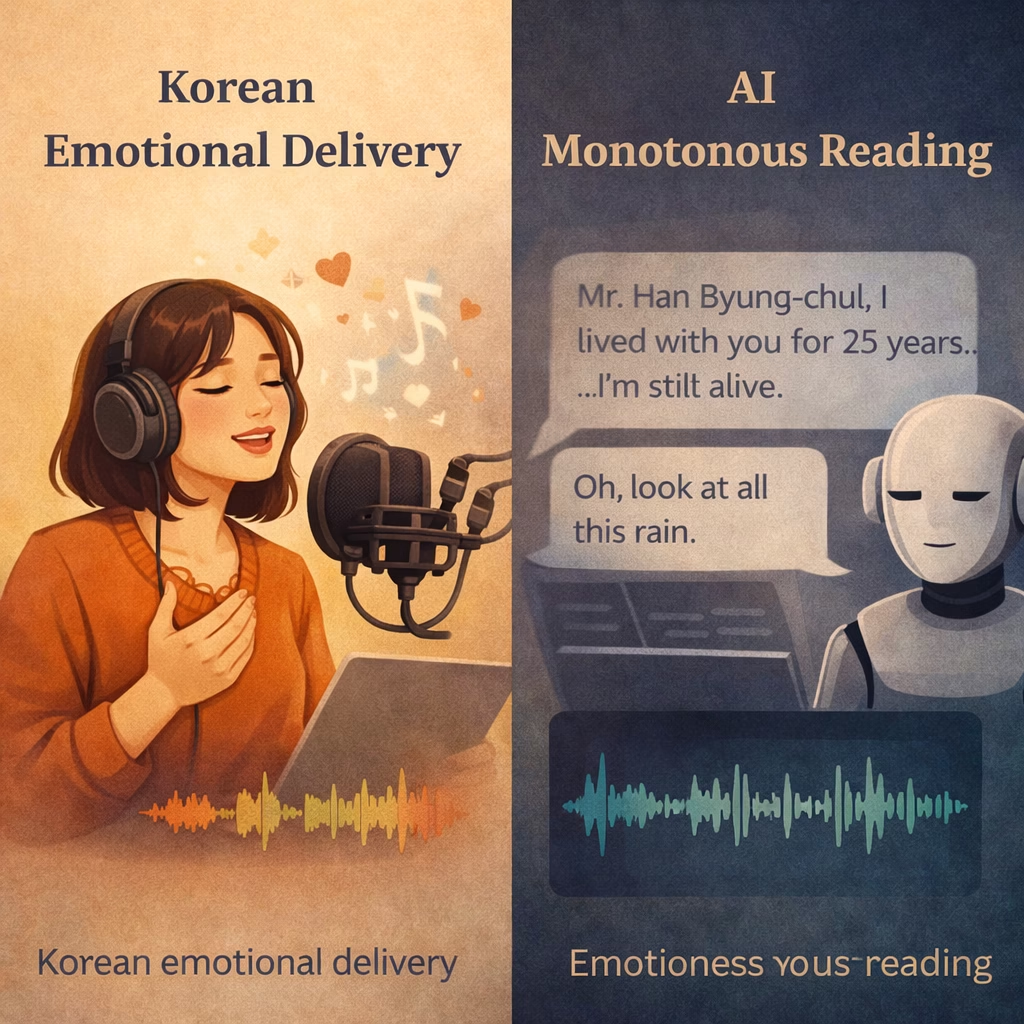
Why human Korean voice talent still matters in the age of AI
AI voice tools are getting faster and more accessible. They can be useful for drafts, internal previews, or simple automation. But when the message needs trust, warmth, persuasion, or emotional nuance, human delivery still matters.
YouTube content is deeply human. Whether it is a brand message, a tutorial, a product introduction, or a creator-led video, the voice has to do more than pronounce words correctly. It has to carry intention.
A native Korean voice actor can control subtle emotional shifts, natural pauses, emphasis, and tone in ways AI often cannot. That human layer is what makes a message feel sincere instead of processed.
- Human emotion that fits the scene
- Natural Korean rhythm for spoken delivery
- More brand-safe control over tone and emphasis
- A voice that feels sincere, not machine-generated
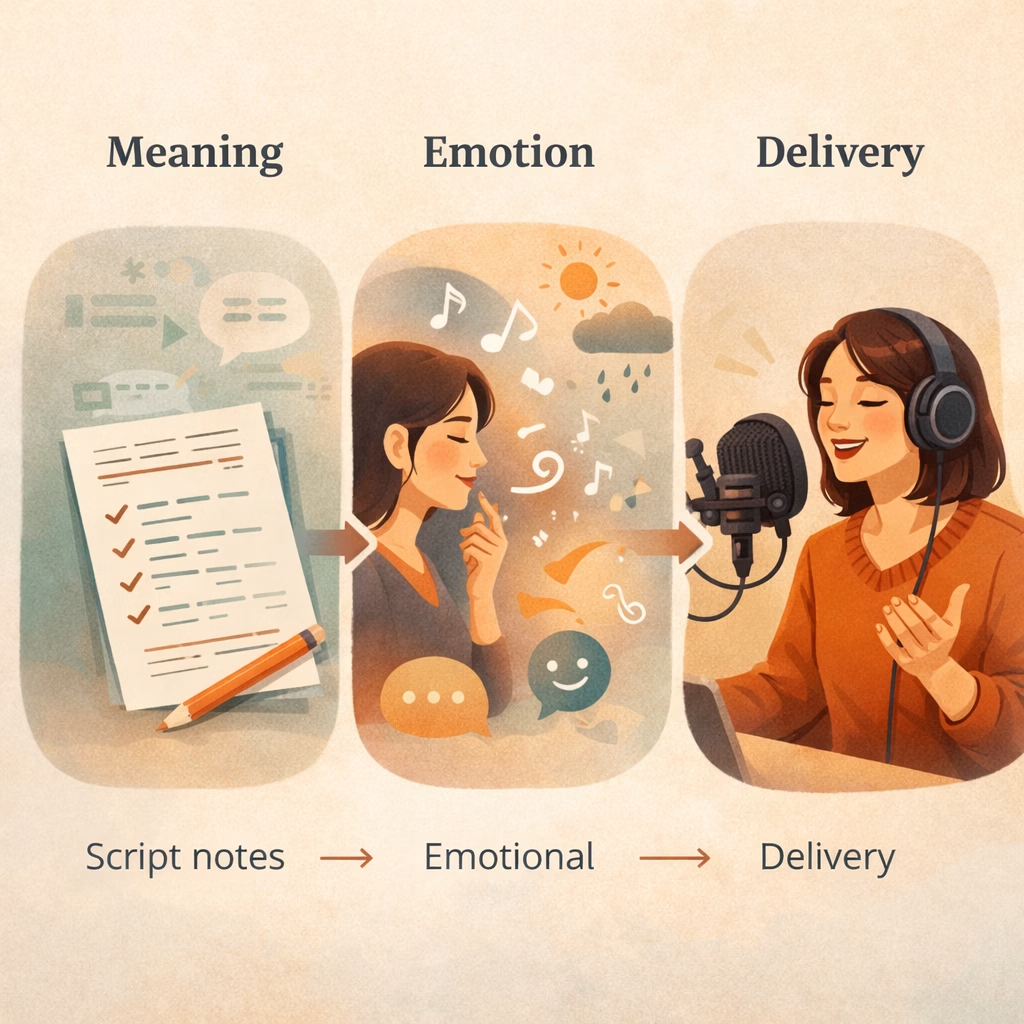
Our Meaning → Emotion → Delivery Framework for Korean YouTube voiceover
One thing many global teams miss is that good Korean voiceover is not created in one step. It is created by connecting meaning, emotional intent, and final delivery.
That is why we use a simple framework for YouTube voice localization: Meaning → Emotion → Delivery.
- Meaning: We first understand the original message, not just the words. This helps us preserve the true intent of the line before it is translated.
- Emotion: We then adapt the Korean script for how it should feel. Should it sound warm, confident, calm, urgent, playful, or persuasive? This is where spoken Korean becomes more natural and more effective.
- Delivery: Finally, the line is performed by a native Korean voice talent who can express that emotion with the right pacing, emphasis, and tone.
This connected process creates a much better result than separating translation and recording. Instead of sounding like a script that was simply converted into Korean, the final voice track sounds like it was made for Korean viewers.
What AI often misses in Korean YouTube voiceovers
AI can imitate sound, but it often struggles with what makes a performance feel real. It may pronounce the words clearly, but still miss the emotional weight of the line.
It may sound too even when the message needs warmth. It may place emphasis in the wrong place. It may deliver a persuasive sentence without the confidence or sincerity a real person would naturally bring. And when translation and voice generation are disconnected, the final result often feels emotionally empty.
For brands and creators, that gap matters. A Korean audience can quickly sense when something sounds generic, stiff, or machine-made. If your content depends on credibility and connection, that is a serious weakness.
From translation to recording: why one connected process creates better results
One of the biggest reasons Korean voiceovers sound unnatural is that translation and recording are often handled separately.
A script may be translated by one person, reviewed by another, and then read by someone who was not involved in shaping the message. As a result, the final voice track may sound technically correct but emotionally disconnected.
A better process is to connect the stages. First, the original meaning is translated clearly. Then the script is adapted into natural Korean for spoken delivery. Finally, it is recorded by a native Korean voice talent who understands how to carry the right emotion and tone.
That connected process creates a stronger result because the voice is not just reading the message. It is truly delivering it.
Why this matters more now for YouTube growth
YouTube is making multilingual audio more practical for creators, which means Korean voice tracks are no longer just an optional extra. They can now become part of a real audience growth strategy.
One of the clearest public signals came from the broader conversation around multi-language audio adoption, where Korean was included as part of the push to reach local audiences more naturally. For global creators and brands, this reinforces a simple point: when Korean viewers can hear content in a way that feels natural and emotionally right, the content becomes easier to trust and easier to stay with.
That is why Korean voiceover should not be treated as a last-minute technical layer. It should be treated as part of how the content connects.
Who this service is for
This kind of Korean voiceover workflow is especially useful for teams that want more than a literal Korean version.
- Global YouTubers who want their videos to feel natural in Korean
- Brands running YouTube campaigns for the Korean market
- Agencies producing localized video content for clients
- SaaS and product teams creating Korean tutorials or explainers
- Creators who want translation and final voice delivery handled in one process
What to prepare before hiring native Korean voice talent
A better brief creates a better voiceover. Before starting, it helps to share the original script, a rough cut or video link, the target audience, and the emotional tone you want the Korean version to carry.
It is also useful to highlight brand names, product names, and any words that need specific pronunciation. These small details make the final result feel more polished and more consistent.
When translation, Korean adaptation, and performance are handled together, the process becomes smoother and the final recording usually needs fewer revisions.
FAQ
Is translation alone enough for Korean YouTube voiceover?
No. A script can be translated correctly and still sound unnatural when spoken. For YouTube, the Korean version also needs emotional adaptation and natural spoken delivery.
Why use human Korean voice talent instead of AI dubbing?
AI can be useful for speed, but it often misses emotional nuance, sincere tone, and the natural rhythm that Korean viewers expect. Human delivery gives you more control over feeling and trust.
Can you help with both translation and recording?
Yes. A connected process usually creates a stronger result. The original message can be translated, adapted into natural spoken Korean, and then performed with the right tone for the video.
What kind of YouTube content works best with native Korean voiceover?
This works especially well for brand videos, tutorials, explainers, creator-led content, sponsored videos, and any message where trust and emotional tone matter.
Need Korean voice talent who can translate and truly perform the message?
If you want your YouTube content to feel natural in Korean, translation alone is not enough.
You need more than Korean words on a page. You need a voice that can understand the message, adapt it naturally, and deliver it with real emotion. That is what makes the difference between a Korean version that simply exists and one that truly connects with viewers.
If you are looking for native Korean voice talent for YouTube videos, I can help from translation to final voice delivery. The goal is not just to sound Korean. The goal is to sound human, sincere, and right for your audience.
Get in touch to discuss your Korean YouTube voiceover project.